Drone industry
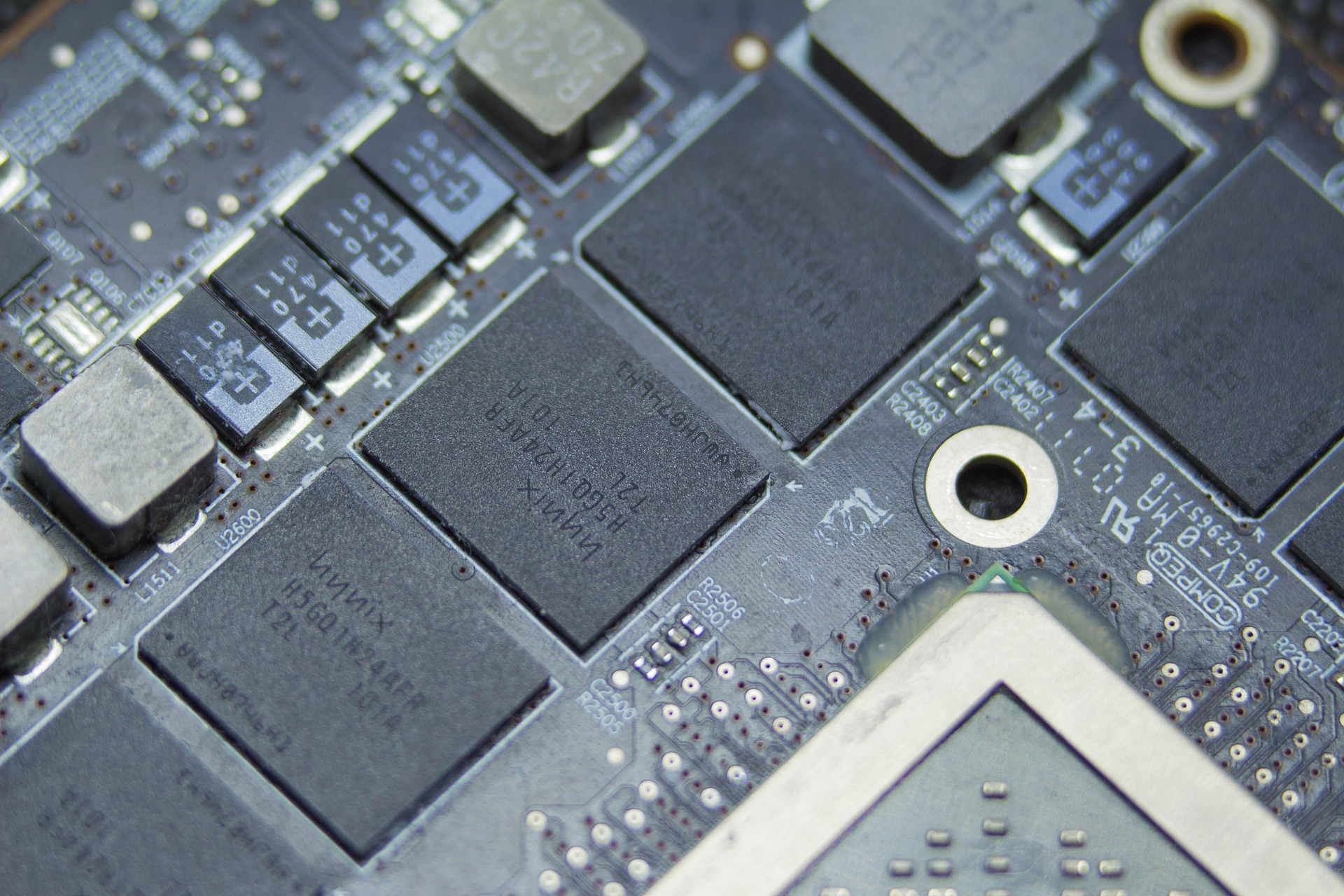
As the core hardware of the UAV control system, integrated circuits carry key tasks such as flight attitude solution, navigation and positioning, image and video processing, wireless communication, and power motor control. They are the basis for autonomous flight and intelligent operation of unmanned aerial vehicles.
The early research and development investment in the main control chip of complex drones is huge, but relying on large-scale mass production, the cost of a single chip can be effectively controlled.The chip process is constantly miniaturized, in line with the development trend of Moore's Law, and more crystal tubes are integrated in a smaller volume.For UAVs, the miniaturization of chips brings multiple benefits: reducing the weight of the aircraft, reducing power consumption, and extending the battery life. At the same time, it improves the computing and processing speed to ensure the real-time flight control response.
However, nanoscale chips also have technical problems such as leakage, which puts forward higher requirements for the power management and heat dissipation design of drones.The working environment of drones with high vibration and large temperature differences also puts forward strict tests on the stability and anti-interference capabilities of integrated circuits.
Nowadays, the iteration of integrated circuit technology continues to promote the upgrading of the UAV industry.From consumer-grade aerial drones to industrial-grade models such as industrial surveying and mapping, inspection, plant protection, and security, the intelligent functions of drones such as autonomous obstacle avoidance, AI recognition, and long-distance image transmission are all built on high-performance semiconductor chips.The continuous breakthroughs in semiconductor technology and chip design technology will also further expand the application boundaries of drones.