Consumer electronics
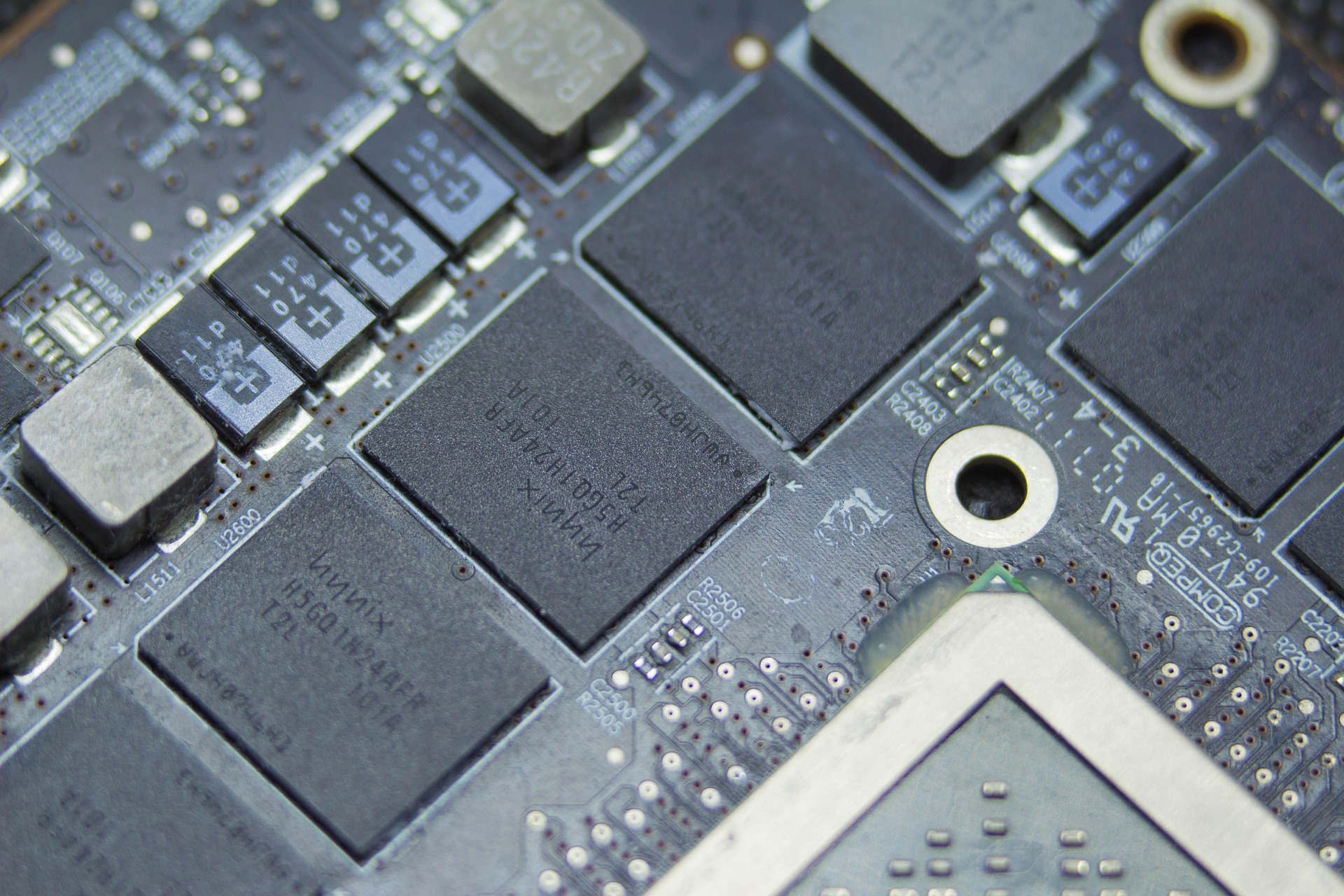
Integrated circuits are the computing core of various consumer electronic products. They are widely used in smart phones, tablet computers, notebook computers, smart watches, Bluetooth headsets, smart home devices and other products. They are responsible for core tasks such as data computing, graphics processing, wireless communication, power supply control, and sensor signal analysis, which directly determine the performance limit and user experience of the device.
The early research and development cost of a high-performance master chip is high, but with the mass launch of consumer electronics products, the cost of the chip allocated to a single product can be greatly reduced.Following Moore's Law, the chip process is constantly miniaturized, and more crystal tubes can be integrated per unit area.For consumer electronics products, reducing the size of the chip can save valuable internal space, which is conducive to thinner and lighter products, while reducing operating power consumption, extending battery life, and improving the operating speed of equipment.
However, there is a problem of leakage loss in nano-process chips, which brings problems in heat generation control.The compact and confined internal space of consumer electronic equipment puts forward a high test for the heat dissipation capacity, stability, and anti-interference performance of integrated circuits.
The rapid iteration of semiconductor technology continues to drive innovation and upgrading in the consumer electronics industry.From high-definition audio and video playback, multi-task operation, to AI voice interaction, health monitoring, wireless interconnection and other intelligent functions, all rely on integrated circuits to achieve.In the future, the continuous breakthroughs in chip design and semiconductor manufacturing technology will also promote the continuous development of consumer electronics products in the direction of high performance, lightweight, low power consumption, and multi-function integration.