VR industry
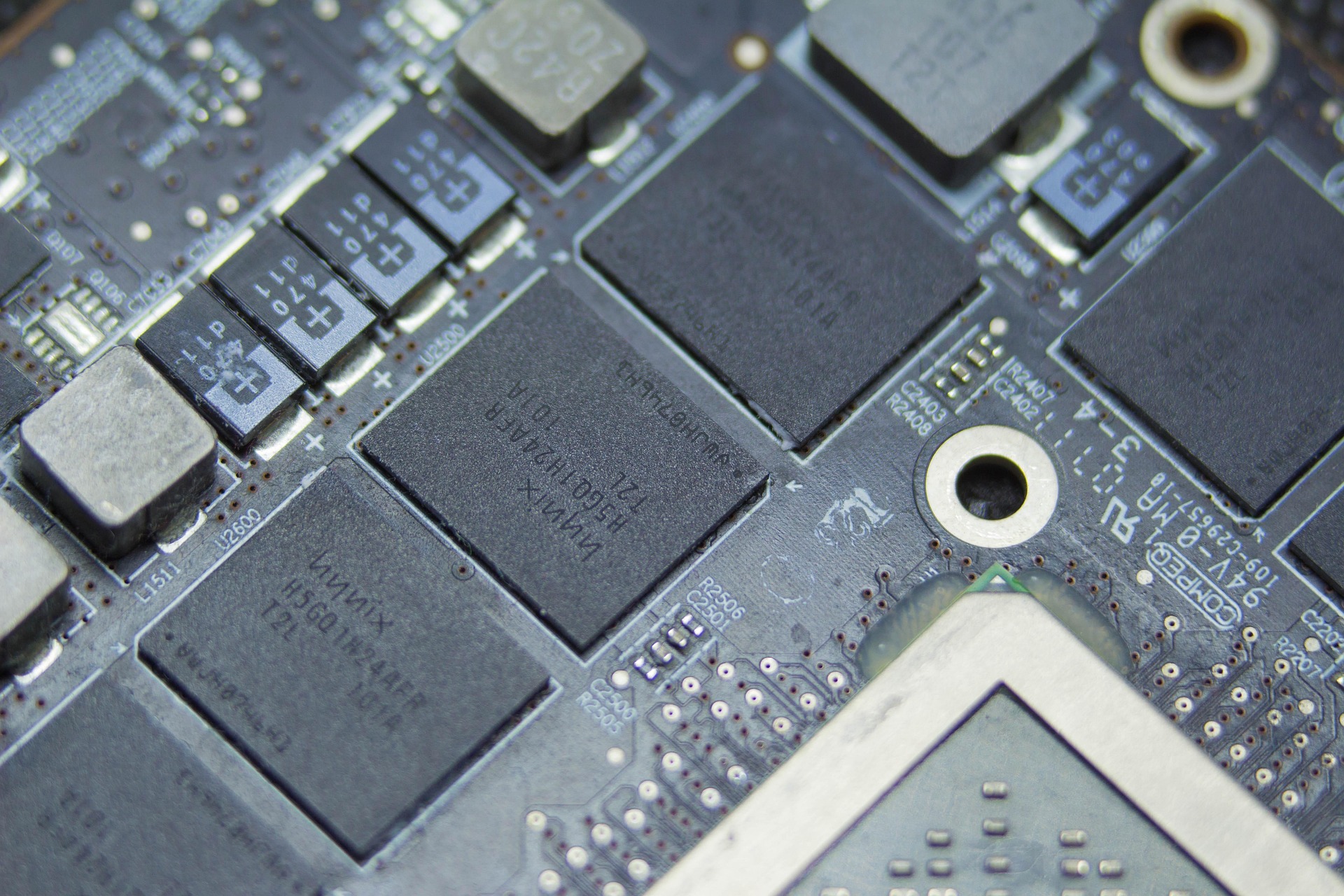
High-performance integrated circuits are the computing core of VR virtual reality equipment. They are responsible for a series of key tasks such as graphics rendering, head posture tracking, sensor data fusion, binocular picture output, audio decoding, and power management, which directly determine the picture clarity, operating delay, power consumption level and wearing immersion of VR equipment Qualcomm.
The early research and development investment in VR master chips is high, and with the large-scale mass production of consumer-grade and industry-grade VR products, the cost of chips allocated to a single device can be greatly reduced.The chip process continues to iterate towards miniaturization, following Moore's Law and continuously increasing the number of transistor integrations.For head-mounted VR devices, chip size reduction, computing power improvement, and power consumption reduction are particularly critical. It can not only reduce the weight of the helmet and improve wearing comfort, but also ensure high refresh rate screen output, reduce screen delay, and fundamentally reduce the dizziness caused by users when using it.
However, the leakage loss caused by nano-process chips also poses a lot of challenges to the optimization of heat dissipation and battery life of VR devices.At the same time, the built-in gyroscope, acceleration sensor, high-definition display screen and other components of VR equipment put forward higher standards for the signal processing speed and anti-interference stability of integrated circuits.
Nowadays, the rapid iteration of semiconductor technology continues to promote the development and upgrading of the VR industry.Whether it is a consumer entertainment VR headset or an industry virtual reality device used in industrial simulation, education and training, or medical simulation, its intelligent functions such as spatial positioning, gesture recognition, and three-dimensional panoramic rendering are inseparable from the support of high-performance chips.In the future, the continuous breakthroughs in integrated circuit design and semiconductor manufacturing technology will further promote the rapid development of VR in the direction of lightweight, high-definition, low-latency, and long battery life.